09
March 2017
Past Event
Purifying the Land of the Pure: A History of Pakistan's Religious Minorities

Purifying the Land of the Pure: A History of Pakistan's Religious Minorities

Past Event
Hudson Institute, Washington, D.C. Headquarters
March 09, 2017
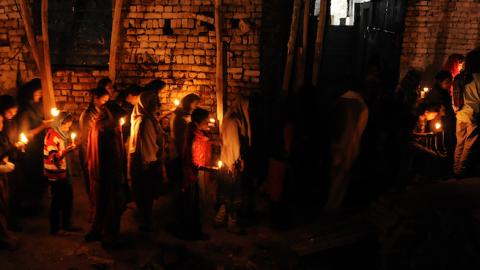
Pakistani Christians hold candles as they march during the Easter Celebration ceremony on April 20, 2014 in Islamabad, Pakistan. (Metin Aktas/Anadolu Agency/Getty Images)
Caption
Pakistani Christians hold candles as they march during the Easter Celebration ceremony on April 20, 2014 in Islamabad, Pakistan. (Metin Aktas/Anadolu Agency/Getty Images)
09
March 2017
Past Event

1201 Pennsylvania Avenue, N.W., Suite 400
Washington, DC 20004

Speakers:
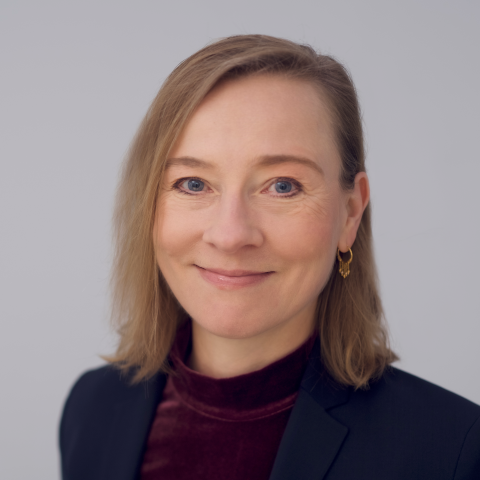
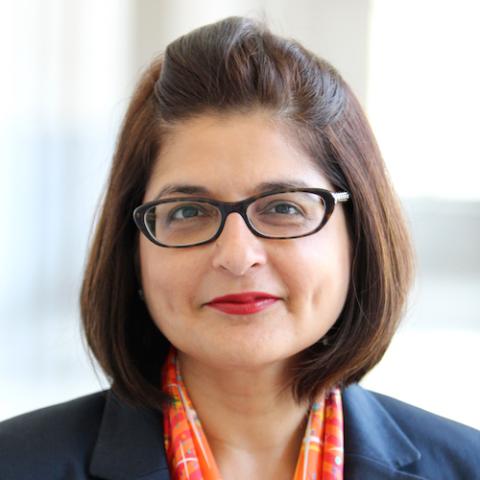
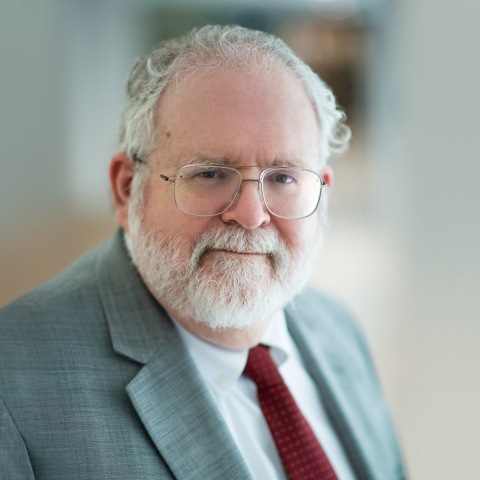
Farahnaz Ispahani

Former member, Parliament of Pakistan

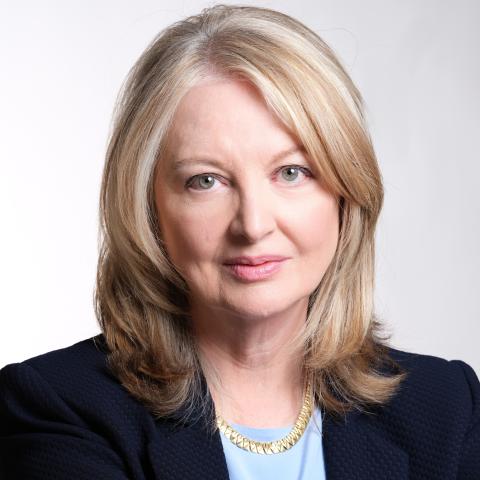
Nina Shea
Nina Shea

Senior Fellow and Director, Center for Religious Freedom

Although Pakistan was created as a homeland for South Asia's Muslims, religious freedom was one of its founding principles. In 1947, Pakistan's founder Muhammad Ali Jinnah declared “You may belong to any religion or caste or creed – that has nothing to do with the business of the State.”

Seventy years later, Pakistan is better known for religious extremism and the persecution of Muslim and non-Muslim religious minorities. Pakistan’s blasphemy law is a state-sanctioned tool of religious oppression used to target members of minority faith communities whether Ahmadiya, Christian, Hindu, or Shiite, as well as Sunnis who criticize the law. Its many victims include Asia Bibi, a Christian woman imprisoned since 2008, and two prominent government officials who were murdered in 2011 for defending her: Shahbaz Bhatti, the former Minority Affairs Minister, and Salman Taseer, the former governor of Punjab.

On March 9, Hudson Institute's Center for Religious Freedomed hosted a discussion on the blasphemy law and the state of religious oppression in Pakistan with Farahnaz Ispahani, a former Pakistani politician and the author of Purifying the Land of the Pure In her new book, Ispahani traces the transformation of Jinnah's Pakistan into an Islamic state, and writes that Pakistan’s Islamization has sparked a regional trend that will not be easy to reverse. Nina Shea, director of Hudson Institute’s Center for Religious Freedom, moderated the discussion.

Related Events
13
February 2026
In-Person Event | Hudson Institute
Postponed | A Strategic Response to Sino-Russian Cooperation: Perspectives from Europe and the Indo-Pacific
Featured Speakers:
Nishank Motwani
Patrick M. Cronin
Justyna Szczudlik
Moderator:
Masashi Murano
Getty Images
13
February 2026
In-Person Event | Hudson Institute
Postponed | A Strategic Response to Sino-Russian Cooperation: Perspectives from Europe and the Indo-Pacific
Getty Images
Featured Speakers:
Nishank Motwani
Patrick M. Cronin
Justyna Szczudlik
Moderator:
Masashi Murano
17
February 2026
In-Person Event | Invite Only
Assistant Secretary of State Christopher Yeaw on the End of the New START Treaty
Featured Speakers:
Christopher Yeaw
Rebeccah L. Heinrichs
Getty Images
17
February 2026
In-Person Event | Invite Only
Assistant Secretary of State Christopher Yeaw on the End of the New START Treaty

Join Assistant Secretary of State for Arms Control and Nonproliferation Dr. Christopher Yeaw for a discussion on strategic deterrence.

Getty Images
Featured Speakers:
Christopher Yeaw
Rebeccah L. Heinrichs
19
February 2026
In-Person Event | Hudson Institute
The Economic Case for the US-Israel Partnership with Minister of Economic Affairs Noach Hacker
Featured Speaker:
Noach Hacker
Moderator:
Michael Doran
Tel Aviv’s skyline. (Getty Images)
19
February 2026
In-Person Event | Hudson Institute
The Economic Case for the US-Israel Partnership with Minister of Economic Affairs Noach Hacker
Tel Aviv’s skyline. (Getty Images)
Featured Speaker:
Noach Hacker
Moderator:
Michael Doran
12
February 2026
Past Event
Opportunity and Uncertainty in the Middle East: Next Steps for the Kurdistan Region of Iraq
Featured Speakers:
Rebar Ahmed
Joel Rayburn
Erbil
12
February 2026
Past Event
Opportunity and Uncertainty in the Middle East: Next Steps for the Kurdistan Region of Iraq

Join Hudson for a deep dive into these topics with Interior Minister of the Kurdistan Regional Government Rebar Ahmed, one of the region’s most experienced and respected statesmen. 

Erbil
Featured Speakers:
Rebar Ahmed
Joel Rayburn