










Executive Summary
- Russian drone unit recruitment: To capitalize on the success of its elite Rubicon Corps, Russia increased its efforts to recruit new soldiers for its drone warfare units.
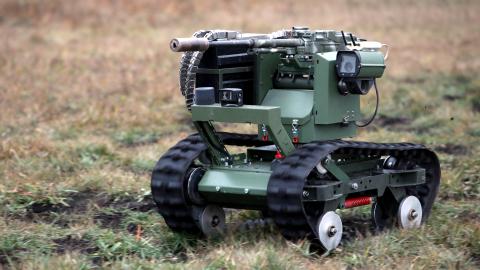
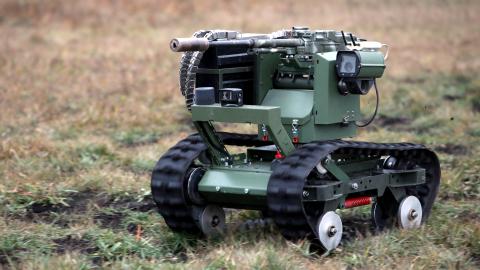
- A milestone in unmanned warfare: Ukraine, for the first time in military history, used an unmanned ground vehicle (UGV) to take prisoners of war.
- Battlefield assessment: While Russian forces made tactical gains around Pokrovsk, the battle space remained static at the strategic level.
- What to monitor: (1) Moscow’s recruitment efforts, and (2) if Ukraine can weather Russia’s strikes on energy infrastructure in the middle of winter.
1. Battlefield Assessment
Russian forces continued to fight at a moderately intense operational tempo last week, waging between one and two hundred tactical engagements per day. Combat operations raged once again near Kramatorsk, Sloviansk, Pokrovsk, Kostyantynivka, Kupiansk, and Lyman. At the strategic level, the battle space remained stable.
At the tactical level, however, Russian forces made territorial gains near Huliaipole, Pokrovsk, Rodynskye, and Myrnohrad. The Ukrainian 7th Rapid Response Corps, the principal combat formation involved in the defense of Pokrovsk, claimed that the cold weather has been impeding Russia’s offensive campaign. Both sides engaged in drone-on-drone warfare around Pokrovsk.
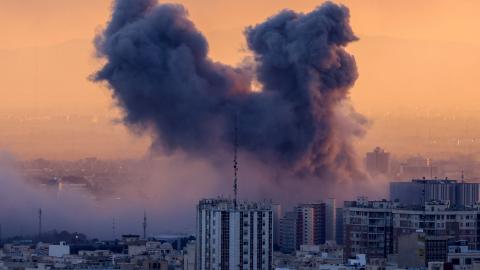
Russian forces continued to put overwhelming pressure on Ukraine’s civilian population by targeting the country’s energy infrastructure in the dead of winter. In Kyiv, hundreds of households are now without heating and electricity due to Russia’s deliberate bombardment of the city’s power grid, as previous editions of this report projected.
Additionally, Russia’s Rubicon Drone Warfare Corps continued to conduct attacks on the Ukrainian military’s logistical networks near Vovchansk. In a recent salvo, Russia used hundreds of Shahed drones to pave the way for follow-on strikes from Kh-22 anti-ship missiles modified for land targets, Zircon hypersonic missiles, and other weapons.
For its part, Ukraine aimed to ramp up its drone production. Following Defense Minister Mykhailo Fedorov’s lead, the Ukrainian defense ministry now aims to make seven million robotic warfare systems in 2026, while increasing the scale of its Unmanned Systems Forces from 2.2 percent to 5 percent of its overall military manpower.
Finally, last week Ukraine achieved a milestone in robotic warfare. For the first time, an unmanned ground vehicle (UGV) captured surrendering soldiers as prisoners of war. The Ukrainian unmanned platform tracked the entire incident in real time, bringing the world a glimpse of the warfare of the future.
2. Russia Seeks to Grow Its Rubicon Drone Warfare Corps
The Russian military also seeks to increase the size of its elite drone warfare units. According to Ukrainian sources, the Kremlin hopes to add 400,000 personnel to its ranks in 2026, with 80,000 serving in drone combat formations.
Unlike when recruiting assault and line infantry troops, who are often used as cannon fodder in highly attritional clashes, the Russian high command prioritizes quality over quantity in its drone-based ranks. This effort is made all the more urgent by the effects of Western sanctions. Moscow’s limited access to microchips and other high-tech components makes each drone—and therefore the capability of its operator—even more important.
The Russian Ministry of Defense has promised new recruits that they will serve in drone-related roles in an effort to make military service more attractive, an effort that has been further aided by the success of a Russian drone unit known as Rubicon. Ukrainian press sources report that Rubicon’s robotic warfare assets now prey on high-value assets that Ukraine has received from the United States, including High Mobility Artillery Rocket Systems (HIMARS) and Patriot missile defense batteries.
3. What to Monitor in the Coming Weeks
1. Russia’s recruitment push. The reaction of younger Russians to the Rubicon Corps’ recruitment promotions will be a key indicator of the future strength of Russia’s unmanned systems programs.
2. Ukrainian energy crisis. As winter shows no signs of abating, Ukraine’s energy crisis is becoming increasingly unbearable by the day. It remains to be seen whether Kyiv can provide adequate energy to the Ukrainian people amid continuing Russian strikes.