











The Trump Administration’s renewed support for the Australia–United Kingdom–United States (AUKUS) agreement highlights the importance all three allies’ role in ensuring Australia can defend itself. Nuclear-powered submarines will provide Canberra a new tool for deterrence and retaliation in the face of China’s expanding naval fleet and growing hostility toward its neighbors.
But submarines are also a massive investment that will constrain Australia’s ability to develop and field other defense capabilities. Leaders in the Australia Department of Defence (ADoD) will need to make hard choices guided by a realistic strategy to defend the country’s northern approaches from Chinese predation. By abandoning its unachievable strategy of denial and pursuing new technologies under AUKUS, the ADoD can establish sustainable Australian deterrence and defense.
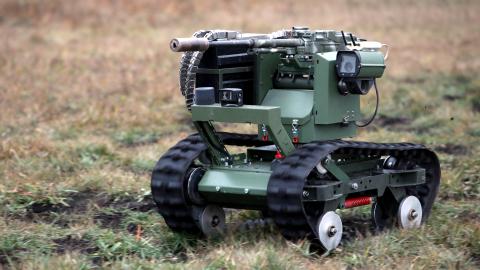
Hudson’s Bryan Clark hosted a webinar on his new report, coauthored with David Byrd, Pickets, Pouncers, and Protectors: How the Australian Defence Force Can Use Uncrewed Systems for Twenty-First-Century Deterrence.