






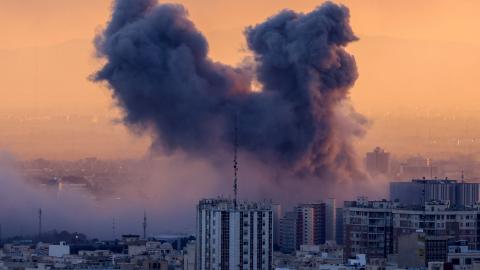




“Never, never, never,” Winston Churchill wrote in “My Early Life,” “believe any war will be smooth and easy, or that anyone who embarks on that strange voyage can measure the tides and hurricanes he will encounter. The Statesman who yields to war fever . . . is no longer the master of policy but the slave of unforeseeable and uncontrollable events.” One month into his war with Iran, Donald Trump is learning how right Churchill was.
As the economic and political consequences of the widening war ripple across the world, President Trump confronts a complex set of difficult choices. How does he respond to growing Russian targeting assistance to Iran? What should he do if Houthi missiles and drones close the Red Sea again, exacerbating the global energy shock? Should he commit U.S. ground forces to the war, for what missions and at what level of risk? Above all, how does Mr. Trump overthrow the authorities in Tehran, induce them to accept his conditions for ending the war, or spin compromise as success?